Keep Your Aging AC From Burning Out This Summer with Attic Insulation and Proactive HVAC Maintenance in Winter Park
After servicing hundreds of aging AC systems across Winter Park, we've learned one thing most homeowners find out too late — it's rarely the unit itself that fails first. It's the conditions around it. Uninsulated attics can push attic temperatures past 150°F in a Central Florida summer, forcing your AC to work twice as hard just to maintain 75° indoors. Pair that with a system that hasn't had a seasonal tune-up, and you're not just uncomfortable — you're weeks away from a very expensive breakdown.
Here's what we recommend before summer peaks, based on what we've seen work in homes just like yours.
TL;DR Quick Answers
Aging AC systems in Winter Park fail for one reason more than any other — they're asked to do too much in conditions that were never properly managed. Two steps change that:
Insulate your attic to Florida's R-38 standard.
Winter Park attics reach 150°F+ in summer
Under-insulated attics force your AC to fight your ceiling all day
R-38 insulation cuts heat load and reduces system strain immediately
Schedule a proactive HVAC inspection before summer peaks.
Dirty evaporator coils and low refrigerant are the top two causes of summer AC failure
Both are undetectable without a professional inspection
Both are inexpensive to fix in winter — and expensive to ignore in August
The result when both are done together:
Shorter AC run cycles
Lower monthly FPL bills
Two to four additional years of reliable system life
Fewer emergency service calls during peak summer heat
Best time to act: January through March — before schedules fill and temperatures climb.
Top Takeaways
Your attic is working against your AC. Winter Park attics hit 150°F by mid-afternoon. That forces your aging system to work twice as hard. Attic insulation isn't an upgrade — it's protection.
Most aging AC systems fail from conditions, not age. Dirty coils and low refrigerant compound quietly. They don't announce themselves — they just break down in July.
Most older Winter Park homes don't meet Florida's R-38 standard. Homes built before 2000 almost never do. That gap shows up every month on your FPL bill.
A winter inspection costs a fraction of a summer emergency repair. Dirty evaporator coils and low refrigerant are cheap to fix in February. They're expensive to ignore until August.
Insulation and maintenance work better together than either does alone. Insulation cuts heat load. Maintenance optimizes efficiency. Combined, they can add two to four years to an aging system's life.
Why Aging AC Systems Struggle in Winter Park Summers
Central Florida's brutal humidity and heat don't just make you uncomfortable — they push older AC systems to their absolute limit. Units older than 10 years weren't designed for today's extreme summer temperatures, and once efficiency starts dropping, every degree costs you more. The difference between a system that survives summer and one that doesn't often comes down to how well it's supported before the season starts. Many homeowners find that annual preventative AC maintenance service care plans in Winter Park are the most effective way to ensure their heating, ventilation, and air conditioning hardware stays operational through the peak heat.
How Attic Insulation Directly Protects Your AC
Most homeowners never connect attic insulation to AC performance — but we do, every single day. An under-insulated attic in Winter Park can reach 150°F to 160°F by mid-afternoon, turning your entire ceiling into a radiant heat source. Your AC isn't just cooling your living space — it's fighting your attic. Proper insulation creates a thermal barrier that reduces that load significantly, allowing your aging system to operate within its designed capacity rather than constantly overperforming just to keep up.
What Proactive HVAC Maintenance Actually Catches
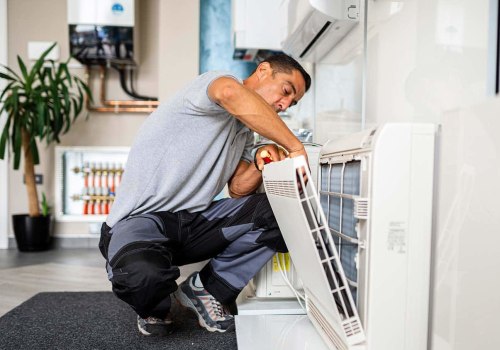
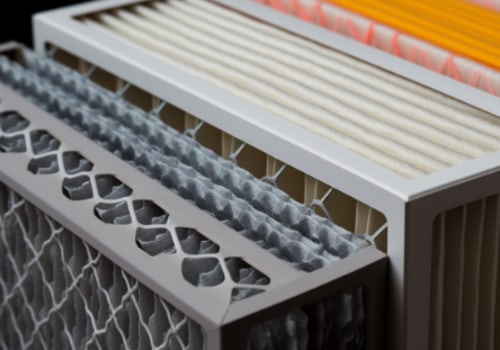
A seasonal tune-up isn't just about changing filters. Our technicians inspect refrigerant levels, clean coils, test capacitors, check electrical connections, and measure airflow — all the components that quietly degrade on aging systems before they cause a full breakdown. In Winter Park homes, we consistently find dirty evaporator coils and low refrigerant as the top two culprits behind premature AC failure. Catching either issue in late winter or early spring costs a fraction of what an emergency repair or full replacement runs in July. You can easily find high-quality pleated furnace filters or MERV 13 pleated HVAC AC furnace air filters online to help keep your system clean between professional visits.
The Combined Effect: Why Both Solutions Work Together
Attic insulation reduces heat load. Proactive maintenance optimizes system efficiency. Together, they create a compounding benefit — your AC runs shorter cycles, experiences less wear, consumes less energy, and lasts significantly longer. For aging systems already showing signs of strain, this combination can realistically add two to four additional years of reliable service life while keeping monthly energy bills in check throughout the summer. Understanding everything you need to know about air filters and utilizing an ultimate air filter MERV rating chart can help you maximize these efficiency gains.
Warning Signs Your Winter Park AC Needs Attention Now
Don't wait for a complete breakdown to take action. Watch for these red flags:
Rooms that never reach the set temperature
Noticeably higher electric bills without a change in usage
AC running continuously without cycling off
Unusual sounds like rattling, grinding, or clicking at startup
Warm air coming from vents during peak afternoon hours
If you're experiencing any of these in your Winter Park home, a proactive inspection now is far less disruptive — and far less expensive — than an emergency service call in August.
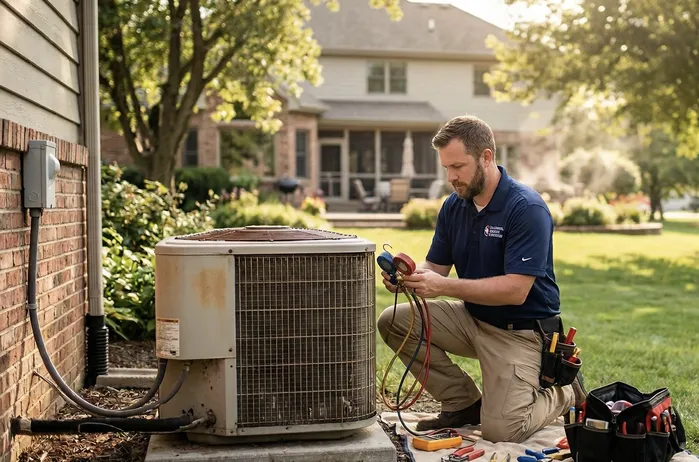
"In over a decade of servicing aging AC systems across Winter Park, the homes that make it through summer without a breakdown almost always have two things in common — a properly insulated attic and a system that was inspected before the heat hit. Those two steps alone have saved our customers thousands in emergency repairs and premature replacements."
Essential Resources on Keeping Your Aging AC From Burning Out This Summer with Attic Insulation and Proactive HVAC Maintenance in Winter Park
We've done the research so you don't have to. These are the seven most trusted resources we point Winter Park homeowners to when they're serious about protecting their AC before summer hits.
U.S. Department of Energy — Know Your R-Value Before You Spend a Dime on Insulation If there's one thing we tell every homeowner before an attic insulation job, it's this: start here. The DOE's insulation guide breaks down exactly what R-value your home needs based on your specific climate zone. The amount of insulation you need depends on your climate, type of heating and cooling system, and the part of the house you plan to insulate. Don't guess. Use this first. ???? https://www.energy.gov/energysaver/insulation
ENERGY STAR — The Homeowner's Playbook for Attic Insulation Done Right ENERGY STAR's attic hub gives you the same framework our technicians use — how to measure what you have, what type of insulation fits your home, and what to look for in a qualified contractor. Low attic insulation levels and air leaks mean your air conditioning and heating systems have to work harder, resulting in energy waste and discomfort during the summer. This is where informed decisions start. ???? https://www.energystar.gov/products/energy_star_home_upgrade/attic_insulation
ENERGY STAR — R-Value by Climate Zone: What Central Florida Actually Requires ENERGY STAR's R-value table cuts through the guesswork and tells you exactly what your attic insulation should be rated for your specific climate. The higher the R-Value, the better the thermal performance of the insulation. For Winter Park and Central Florida, R-38 is the benchmark — and most older homes we service fall well short of it. For those looking for specialized sizing, you can find options like a 16x25x1 furnace filter through various online retailers. ???? https://www.energystar.gov/saveathome/seal_insulate/identify-problems-you-want-fix/diy-checks-inspections/insulation-r-values
My Florida Home Energy — Florida-Specific Insulation Standards Every Winter Park Homeowner Should Know This state-level resource from Florida's Department of Agriculture and Consumer Services gives you Florida's actual code requirements — not generic national guidelines. Current best practices indicate R-30 to R-38 for attic insulation in Florida, with most Central Florida counties — including Orange County — requiring a minimum R-38. If your home was built before 2000, there's a very good chance it doesn't meet this standard. ???? https://www.myfloridahomeenergy.com/help/library/weatherization/insulation/
U.S. EPA — Why Your HVAC System Is the Heart of Your Home's Air Quality The EPA's indoor air quality guide explains why a well-maintained HVAC system is non-negotiable for healthy indoor air. Ventilation helps remove or dilute indoor airborne pollutants coming from indoor sources, reducing the level of contaminants and improving indoor air quality. This is especially true in Florida's sealed, climate-controlled homes where fresh air exchange is limited. Knowing how to protect your home from COVID-19 with heat and cleaning is also vital for modern home wellness. ???? https://www.epa.gov/indoor-air-quality-iaq/improving-indoor-air-quality
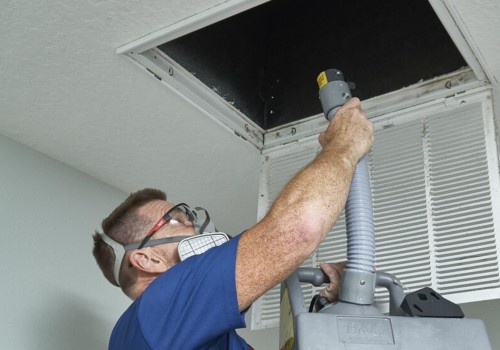
U.S. EPA — What You Need to Know Before Anyone Touches Your Air Ducts The EPA's duct cleaning guide helps you tell the difference between necessary and unnecessary services. The EPA recommends committing to a preventive maintenance program of yearly inspections of your heating and cooling system, regular filter changes, and steps to prevent moisture contamination. Before hiring help, review expert tips for air duct repair and maintenance to ensure you are getting quality service. ???? https://www.epa.gov/indoor-air-quality-iaq/should-you-have-air-ducts-your-home-cleaned
ASHRAE Standard 180 — The Industry Standard Your HVAC Technician Should Already Know ANSI/ASHRAE/ACCA Standard 180 establishes minimum HVAC inspection and maintenance requirements that preserve a system's ability to achieve acceptable thermal comfort, energy efficiency, and indoor air quality. If the company you're considering hasn't heard of it, that tells you something. For those who prefer professional-grade components, you can order a 20x25x4 MERV 8 pleated HVAC AC furnace air filter or a 20x25x4 air filter 2 pack for better system performance. ???? https://www.ashrae.org/technical-resources/bookstore/standards-180-and-211
Supporting Statistics: What the Data Says About Aging AC Systems, Attic Insulation, and HVAC Maintenance
We don't just say proactive maintenance and proper insulation make a difference — the numbers back it up.
Indoor air pollutant concentrations are frequently 2 to 5 times higher indoors than outdoors. Americans spend approximately 90% of their time indoors, where concentrations of some pollutants are often 2 to 5 times higher than typical outdoor concentrations.
A neglected AC system doesn't just struggle to cool — it recirculates everything it collects
Dirty coils, clogged filters, and degraded ductwork compound the problem fast
In sealed, climate-controlled homes, your HVAC is your only air exchange mechanism
Windows stay closed 8 months a year here — what's inside that system is what your family breathes Indoor air quality issues can even be exacerbated by external factors, leading people to wonder if can wildfire smoke cause long term headaches or other health problems. ???? U.S. Environmental Protection Agency — Indoor Air Quality https://www.epa.gov/report-environment/indoor-air-quality
Homeowners can save an average of 15% on heating and cooling costs by air sealing and adding attic insulation. The EPA estimates homeowners can save an average of 15% on heating and cooling costs by air sealing their homes and adding insulation in attics, floors over crawl spaces, and basements.
Central Florida's 9-month cooling season makes that 15% savings significant in real dollars
Homes built before 2000 rarely meet Florida's current R-38 attic insulation standard
Attic upgrades consistently deliver the fastest measurable return of any improvement we recommend
A properly insulated attic stops your aging system from fighting a 150°F attic every afternoon ???? ENERGY STAR — Rule Your Attic https://www.energystar.gov/saveathome/seal_insulate/rule_your_attic
Heating and cooling account for approximately 48% of total residential energy consumption — the single largest share of any home energy end use. Estimates from the most recent Residential Energy Consumption Survey show that 48% of energy consumption in U.S. homes was for heating and cooling — the largest share of residential energy use.
Nearly half of every power bill traces directly back to your HVAC system
A system running at 60% efficiency instead of 80% shows up immediately on your FPL bill
Skipping a tune-up isn't a small gamble — it's betting half your energy budget on an unmaintained system
Dirty evaporator coils and low refrigerant are the two most common findings we catch during proactive inspections ???? U.S. Energy Information Administration — Residential Energy Consumption Survey https://www.eia.gov/todayinenergy/detail.php?id=10271
Final Thought: The Homes That Make It Through Summer Are Never the Ones That Got Lucky
After servicing aging AC systems across Winter Park for years, we've reached one conclusion no statistic fully captures — the homeowners who avoid July breakdowns aren't lucky. They're prepared. What separates systems that survive from ones that don't usually comes down to two decisions made months earlier:
Address the attic — stop the heat load before it reaches the system
Schedule the inspection — catch small failures before they become expensive ones
Most aging AC systems aren't failing because they're old. They're failing because they've been asked to do too much, for too long, in conditions that were never properly managed. An under-insulated attic turns every afternoon into an endurance test, and a skipped tune-up lets small inefficiencies compound quietly until something breaks. Both problems are preventable — and far cheaper to address in winter than in July.
Frequently Asked Questions
Q: How does attic insulation actually help protect an aging AC system in Winter Park? A: Most homeowners don't realize their AC is fighting their attic — not just cooling their home. Attic temperatures routinely exceed 150°F on July afternoons, and that heat pushes directly through the ceiling into spaces the AC is trying to cool. For an aging system already running at reduced efficiency, that added load is what causes failure. Bringing your attic up to Florida's R-38 standard reduces the heat load your system fights every afternoon and allows for shorter run cycles. If you are looking for specific replacement sizes, you might need a top 14x24x1 pleated air conditioner filter or perhaps a top 16x24x1 pleated air conditioner filter to maintain proper airflow.
Q: What does a proactive HVAC maintenance inspection actually include for an aging system? A: For Winter Park homes with systems 10 or more years old, we check refrigerant levels, evaporator and condenser coil condition, capacitor health, electrical connections, airflow measurements, and overall system performance. Dirty evaporator coils and low refrigerant are the two most common findings we catch. Catching either issue in February costs a fraction of what they cost to address in August. Homeowners can also find a top 18x24x1 pleated air conditioner filter or buy best cheap 14x30x1 pleated home HVAC furnace air conditioner filter bulk wholesale 12 pack to keep maintenance costs low throughout the year.
Q: How do I know if my Winter Park home has enough attic insulation? A: If your home was built before 2000, it almost certainly doesn't meet Florida's current R-38 standard. Go into your attic — if you can see the tops of your ceiling joists, you're below the minimum. Warning signs include rooms that won't cool down regardless of thermostat setting, FPL bills that keep climbing, and an AC running continuously through the afternoon without cycling off. It may also be beneficial to consider the benefits of air purifiers and air filters for your vehicle to maintain air quality wherever you go.
Q: At what point should a Winter Park homeowner consider replacing an aging AC system rather than maintaining it? A: Don't make that decision until you've ruled out the conditions around the system first. Consider maintenance if the system is under 15 years old, hasn't had a recent tune-up, and the attic isn't properly insulated. Consider replacement if the system is over 15 years old, has recurring refrigerant leaks, or a failing compressor. We've seen systems quoted for replacement run reliably for three more years once the attic was properly insulated and a real tune-up was performed. In some cases, expert duct repair with professional HVAC installation service in Sunny Isles Beach FL may be the necessary next step for complex issues.
Q: How far in advance of summer should Winter Park homeowners schedule attic insulation and HVAC maintenance? A: January through March is the optimal window for scheduling both services. Schedules begin filling in April as temperatures climb, and by May, emergency reactive calls increase while availability decreases. Homeowners who call in January consistently have the fewest summer breakdown stories.
Ready to Keep Your Aging AC From Burning Out This Summer?
Don't wait for a breakdown to take action — the window to protect your aging AC before summer peaks is open right now. Contact our Winter Park team today for a free estimate and let's get your home ready before the heat does its worst.
Learn more about HVAC Care from one of our HVAC solutions branches…
Filterbuy HVAC Solutions - Miami FL - Air Conditioning Service
1300 S Miami Ave Apt 4806 Miami FL 33130
(305) 306-5027
https://maps.app.goo.gl/Ci1vrL596LhvXKU79